What Is Brainspotting? How This Gentle Trauma Therapy Helps Your Brain and Body Heal
“I Know I’m Safe… So Why Does My Body Still Feel Stuck?”
Have you ever caught yourself thinking:
“I know that happened years ago.”
“I know I’m safe now.”
“So why does my body still react like I’m in danger?”
This is something we hear often from children, teens, and adults who come to therapy.
Maybe your heart races when something reminds you of the past. Maybe your shoulders are always tense. Maybe you feel anxious for no clear reason, or you find yourself shutting down when life becomes overwhelming.
You may understand what happened. You may have talked about it many times.
But your body still feels stuck.
That’s because healing isn’t only about changing our thoughts. It is also about helping our nervous system recognize that the danger has passed.
One therapy that can help with this is Brainspotting.
Brainspotting is a gentle, brain-body therapy that helps people process trauma, anxiety, and difficult life experiences in a way that goes beyond words. Rather than asking you to explain every detail of what happened, it works with the natural connection between your brain, body, eyes, and nervous system to support healing.
For many people, Brainspotting feels like finally giving their brain the opportunity to finish processing something it has been carrying for a long time.
What Is Brainspotting?
Brainspotting is a trauma-informed therapy developed by Dr. David Grand in 2003.
It is based on a simple but powerful idea:
Where you look can affect how you feel.
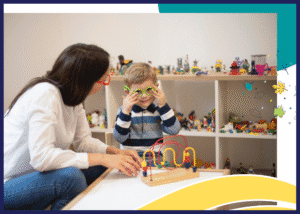
During a Brainspotting session, your therapist helps you notice a specific eye position—called a brainspot—that connects with what you are experiencing inside.
As you gently focus on that point, your brain and nervous system begin processing emotions, memories, and body sensations that may have become “stuck.”
Unlike many therapies, Brainspotting doesn’t ask you to force memories or analyze everything that happened.
Instead, it creates space for your brain to do what it was designed to do—heal.
Trauma Doesn’t Just Live in Our Thoughts
When people think about trauma, they often imagine memories stored inside the brain.
The reality is much bigger than that.
Our entire nervous system works together.
Our brain, spinal cord, muscles, organs, breathing, heart rate, and senses are constantly sharing information.
When something overwhelming happens, our whole body responds.
Sometimes that response finishes naturally.
Other times it doesn’t.
Instead, the nervous system stays on alert.
This can look like:
- Always feeling anxious
- Being easily startled
- Trouble sleeping
- Muscle tension
- Panic attacks
- Feeling numb
- Getting overwhelmed easily
- Feeling disconnected from yourself
- Chronic stress
Many people say,
“I know I’m okay…but my body doesn’t believe me.”
That is exactly what many trauma therapies, including Brainspotting, aim to address.
Your Eyes Are Connected to Your Nervous System
One of the most interesting parts of Brainspotting is the role our eyes play.
Most of us think of our eyes simply as something we use to see.
But they are also deeply connected to the brain and nervous system.
Several cranial nerves control how our eyes move and what we pay attention to. These same systems communicate with parts of the brain involved in survival, emotions, memory, and body awareness.
Think about the last time you were embarrassed.
You may have looked down.
When you were trying to remember something, your eyes may have drifted to one side.
When something frightened you, your eyes quickly scanned the room.
Our eyes naturally reflect what is happening inside us.
Brainspotting gently uses this natural connection to help access experiences that may be difficult to reach through talking alone.
Why Talking Isn’t Always Enough
Talking can be incredibly healing.
Understanding ourselves matters.
Learning new coping skills matters.
Building healthy relationships matters.
At Acorn Counselling, we use many evidence-informed therapies because each offers something valuable.
But sometimes people reach a point where they say, “I’ve talked about this for years, but I still feel the same.”
This isn’t because therapy failed. It often means another part of healing is needed.
Some experiences are stored more as body sensations than words.
You may not even remember exactly what happened.
Instead, your body remembers.
Your stomach tightens.
Your breathing changes.
Your muscles tense.
Your heart races.
Brainspotting helps people notice these experiences with curiosity rather than judgment, allowing the nervous system to process them in a safe and supported way.
A Therapy That Follows You
One thing many people appreciate about Brainspotting is that it doesn’t force healing.
Instead of following a rigid script, your therapist follows you.
That means:
- Moving at your pace
- Respecting your comfort level
- Paying attention to your body’s signals
- Allowing moments of silence
- Trusting your nervous system
There is no pressure to “get it right.”
There is no expectation that you have to explain everything.
Sometimes healing happens through words.
Sometimes it happens through emotions.
Sometimes it happens through noticing what your body is feeling in the present moment.
Your therapist is there to support—not direct—your healing process.
What Happens During a Brainspotting Session?
Every Brainspotting session looks a little different because every person is different.
Your therapist will first get to know you.
Together, you’ll talk about your goals and whether Brainspotting feels like the right fit.
When you’re ready, your therapist may invite you to notice:
- What you’re feeling emotionally
- Where you notice it in your body
- Physical sensations like tightness, warmth, or heaviness
- Thoughts that come and go
- A specific place your eyes naturally want to rest
You don’t need to force anything.
You don’t need to search for memories.
You simply notice what comes up while your therapist provides a calm, supportive presence.
Some people talk throughout the session.
Others spend much of the time quietly noticing what their body is experiencing.
Both are completely normal.
Why Feeling Safe Matters
Healing happens best when we feel safe.
That doesn’t mean talking about difficult things is always comfortable.
It means your nervous system knows you are supported.
One of the strengths of Brainspotting is the importance it places on the relationship between therapist and client.
Your therapist isn’t trying to “fix” you.
They are helping create the conditions where your brain and nervous system can begin healing naturally.
Research across many forms of therapy consistently shows that feeling understood, accepted, and emotionally safe is one of the biggest predictors of positive outcomes.
Brainspotting builds on that foundation.
The technique matters.
But the relationship matters just as much.
Brainspotting Is Gentle
Many people worry that trauma therapy means reliving painful experiences.
That isn’t the goal.
Brainspotting is often experienced as one of the gentler trauma therapies because it allows people to stay connected to the present while processing difficult experiences.
You remain in control.
You can slow down.
You can pause.
And you don’t have to tell every detail of your story.
Instead of pushing through overwhelming emotions, Brainspotting encourages curiosity.
Your emotions are not problems to eliminate.
They are information.
They tell us what your nervous system has been carrying.
When we listen with compassion instead of fear, healing often becomes possible.
Who Can Benefit from Brainspotting?
Brainspotting may help children, teens, and adults experiencing:
- Trauma and PTSD
- Anxiety
- Panic attacks
- Social anxiety
- Grief and loss
- Chronic stress
- Burnout
- Medical trauma
- Childhood trauma
- Attachment wounds
- Performance anxiety
- Emotional overwhelm
- Difficult life transitions
It can also be integrated with other therapies, including Play Therapy, EMDR, Internal Family Systems (IFS), Cognitive Behavioural Therapy (CBT), Acceptance and Commitment Therapy (ACT), and family therapy.
The goal isn’t to replace every other therapy.
It’s to provide another pathway for healing when the brain and body need something different.
Healing Is Possible
Healing doesn’t always happen by thinking harder.
Sometimes healing happens when your nervous system finally has the opportunity to complete something it couldn’t complete before.
Brainspotting offers a gentle, compassionate, and brain-body approach to therapy that helps people move from surviving to feeling more present, connected, and regulated.
At Acorn Counselling, we believe every person heals differently. Some of our therapists are trained in Brainspotting, and you can always find other certified or trained professionals on the Brainspotting Canada website.
Whether Brainspotting becomes part of your journey or another approach feels like a better fit, our goal is always the same—to help children, teens, adults, and families experience lasting healing, greater resilience, and hope.
Wondering whether Brainspotting therapy is right for you or your child? We’d be honoured to help you explore the next step.
Reach out to us to learn more or book a consultation call, or see our therapists and their specialities here.