
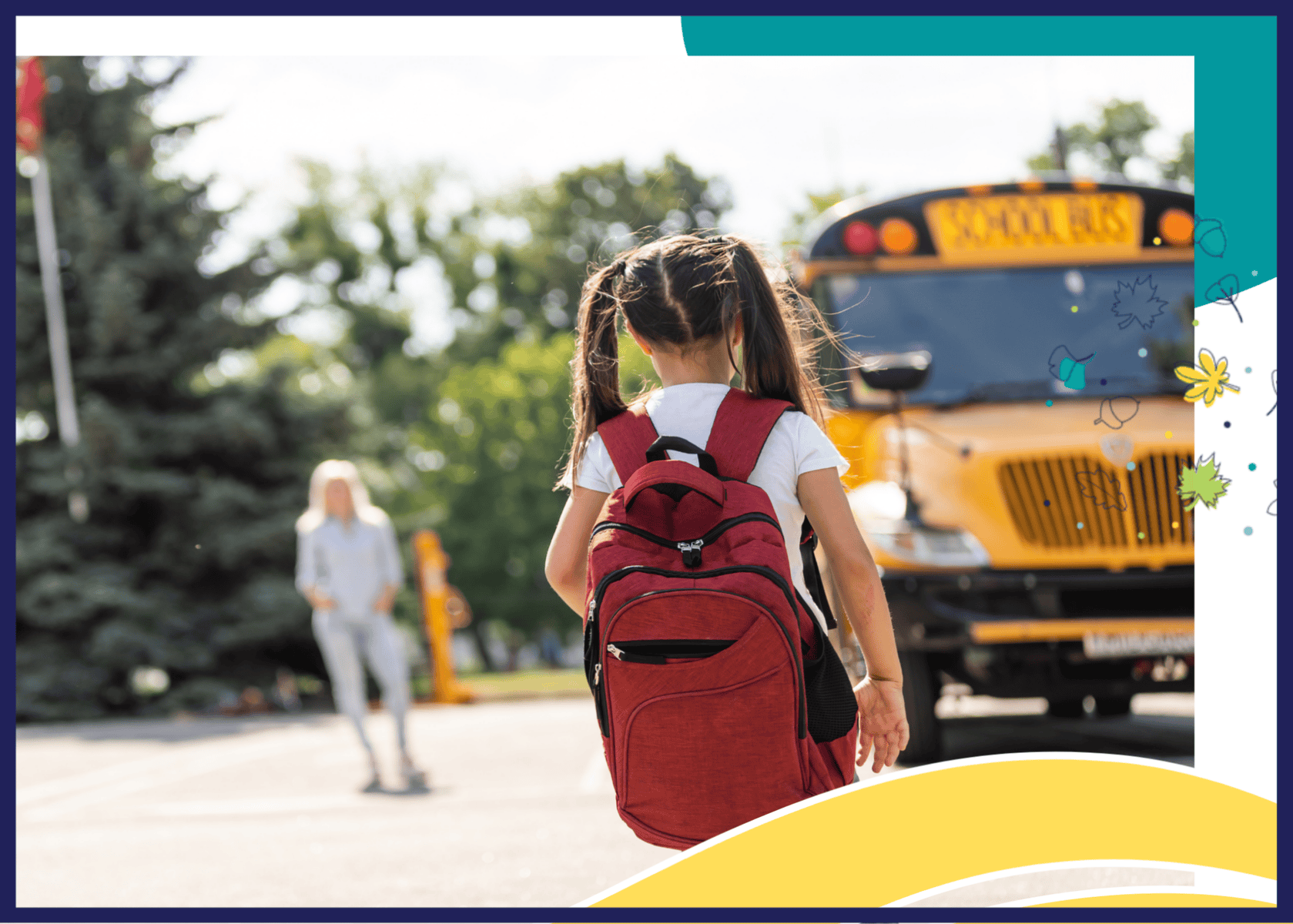
Back-to-School Anxiety: Practical Tips to Help Your Child Feel Ready for School
The start of a new school year can bring a lot of emotions. Some children are counting down the days until they see their friends again, while others would happily extend summer indefinitely. Many children experience a little bit of both.
Back-to-school anxiety is incredibly common. Even children who generally enjoy school can feel nervous about a new teacher, different classmates, harder schoolwork, changing routines, or simply not knowing exactly what to expect. For some children, these worries are easy to identify. They may tell you they are nervous or ask questions about the first day. For others, anxiety can show up as stomach aches, trouble sleeping, irritability, meltdowns, clinginess, avoidance, perfectionism, or suddenly insisting that they “don’t care” about school at all.
As parents, our instinct is often to make that discomfort go away. We reassure, solve problems, change plans, or remove whatever is making our child anxious. While this comes from a place of love, helping children prepare for school doesn’t necessarily mean helping them feel completely calm before they get there.
Instead, one of the most important messages we can give our children is: “I know this feels hard, and I believe you can handle it.”
Here are some practical back-to-school tips for parents to help make the transition into a new school year feel a little more manageable, based on Marsha Kooiman‘s recent Free Workshop, as a part of our workshop series offering free supports to the community (recordings are available there too!).
Understand What Back-to-School Anxiety Looks Like
Anxiety is essentially our body’s alarm system. We need that alarm system because it helps us recognize and respond to genuine danger. The problem is that sometimes the alarm becomes overly sensitive and begins warning us about situations that feel uncertain or uncomfortable but aren’t actually dangerous.
For children, the beginning of school offers plenty of uncertainty. Who will my teacher be? Will my friends still like me? Who will I sit with at lunch? What if the work is too hard? What if I can’t find my classroom? What if I have nobody to play with?
Younger children may not be able to explain these worries clearly. Instead of saying, “I’m anxious about going back to school,” they might become unusually clingy, complain that their tummy hurts, refuse to talk about school, or have more meltdowns. Older children and teens may become irritable, withdrawn, argumentative, avoid preparing for school, or insist that school doesn’t matter to them.
Rather than focusing only on the behaviour, try getting curious about what might be underneath it. Asking, “What feels like the hardest part about going back?” can tell you much more than repeatedly assuring your child that everything will be fine.
Connect Before You Try to Fix the Problem
When your child tells you they don’t want to go to school, your first instinct might be to convince them otherwise.
“You’ll be fine.”
“You love school once you’re there.”
“You know your teacher already.”
“There’s nothing to worry about.”
These responses are understandable, but they can accidentally skip over what your child is trying to communicate. Before offering solutions, start by acknowledging their experience.
You might say, “You’re really worried about going back. It sounds like you’re wondering whether you’ll have someone to spend time with at recess.” From there, you can validate the feeling without agreeing with the anxious prediction: “That makes sense. Starting a new year can feel uncertain.”
Then you can move toward confidence and problem-solving: “What could you do if you aren’t sure who to play with?”
This is an important shift. Instead of teaching your child, My parent needs to convince me that nothing bad will happen, you’re helping them learn, If something feels difficult, I can figure out what to do.
Support Anxiety Without Letting It Take Over
One of the trickiest parts of parenting an anxious child is knowing the difference between supporting anxiety and accommodating anxiety.
Imagine your child says, “I can’t take the bus. I’m too nervous.” Driving them to school every morning may immediately reduce their distress. Everyone feels relieved, and the morning becomes easier.
The problem is that your child’s brain may learn something unintended: Good thing Mom or Dad drove me. I couldn’t have handled the bus.
That short-term relief can strengthen anxiety over time.
This doesn’t mean parents should become rigid or unsympathetic. The alternative isn’t simply saying, “Too bad. Get on the bus.” Children need both empathy and confidence.
Try: “I know taking the bus feels uncomfortable right now, and I believe you can handle it.”
Two things can be true at once. Your child can be anxious and capable. They can be disappointed and safe. They can feel overwhelmed and still take the next small step. Validation doesn’t require removing the expectation.
Prepare for Back to School—Without Overpreparing
Preparation helps make unfamiliar situations more predictable, which can reduce back-to-school anxiety. In the week or two before school begins, start gradually returning to your usual sleep and wake schedule. Practice the morning routine, begin organizing school supplies, and use a calendar so younger children can see when school starts.
A few days before school, you might walk or drive past the school, find the entrance your child will use, visit the playground, or review their schedule. If appropriate and possible, identify a trusted adult at school whom your child can approach if they feel overwhelmed.
You can also involve your child in preparing their backpack, choosing their first-day outfit, planning breakfast, or deciding what to put in their lunch.
The key is to prepare without trying to account for every possible scenario. If your child asks endless “what if” questions, answering every one can accidentally reinforce the idea that every possible problem needs to be solved before they can cope.
Instead of trying to guarantee what will happen, help them develop a plan for uncertainty.
Rather than, “Don’t worry. You’ll definitely make friends,” try, “If you aren’t sure who to talk to at recess, what could you do?”
Give Kids Choices Within Structure
Children often feel more confident when they have some sense of control, particularly during periods of change. Back-to-school preparation provides lots of opportunities to offer choices without handing over responsibility for the entire plan.
A younger child might choose between grapes or an apple for lunch. They might select their first-day outfit from two options or decide which backpack they want to use. An older child might help determine when they want to pack their bag or how they’d like to organize their morning routine.
For children who become overwhelmed by decisions, keep choices small and concrete. “What do you want for lunch?” might feel like too much, while “Would you rather have a sandwich or pasta?” provides manageable autonomy.
The overall structure remains with the parent, while the child gets meaningful opportunities to participate within it.
Focus on the Next Brave Step
Children often believe they need to feel confident before they do something difficult. In reality, confidence frequently develops afterward.
Instead of asking your child to feel ready for the entire school year, focus on the next manageable step. That might mean packing the backpack, practicing the route to school, walking through the front doors, finding the classroom, saying hello to one person, asking one question, or getting through the first class.
For a particularly anxious child, you can even write down their “brave steps” and let them check them off.
This teaches an important lesson: I don’t have to know how I’m going to handle the whole year. I just need to know what I’m doing next.
Have a Plan for Back-to-School Tummy Aches
Anxiety doesn’t only happen in our thoughts. It happens in our bodies too.
Some children experience headaches, nausea, stomach aches, shakiness, or other physical symptoms when they’re worried about school. These sensations are real, even when anxiety is contributing to them.
If your child frequently experiences physical symptoms when anxious, create a plan before the first difficult morning. Teach them that sometimes their body’s worry alarm can create uncomfortable sensations, and identify a few strategies they can use when that happens.
Slow breathing, stretching, walking, shaking out the arms and legs, or using a 5-4-3-2-1 grounding exercise can help bring attention back to the present moment. You might practice a phrase together such as, “My tummy can feel uncomfortable, and I can still take the next brave step.”
Try not to repeatedly ask, “Does your stomach still hurt? Are you sure you’re okay?” Constant checking can unintentionally signal that you are worried about the sensation too.
Of course, not every stomach ache is anxiety. New, persistent, severe, or concerning physical symptoms should be medically assessed, and physical illness and anxiety can occur at the same time. The goal is not to dismiss your child’s physical experience but to help them understand and cope with their body’s anxiety response when that is what is happening.
Keep School Mornings Predictable
Chaotic mornings can make an already anxious nervous system work even harder. A predictable routine reduces the number of unknowns your child has to manage.
Try keeping the order of events relatively consistent: wake up, get dressed, eat breakfast, brush teeth, pack the backpack, put on shoes, and leave. Younger children or children who benefit from visual information may find a simple picture schedule particularly helpful.
Goodbyes can also be predictable. Aim for something warm, confident, and brief rather than extending the separation until your child feels completely comfortable.
You might say, “I love you. You’re safe. I know you can do this, and I’ll see you after school.”
Then follow through.
Remember That Your Nervous System Matters Too
Watching your child struggle with anxiety can be incredibly difficult. Parents have their own worries: What if they can’t handle it? What if they have a meltdown? What if the teacher doesn’t understand them? What if they hate school?
Those fears can make it tempting to rescue, reassure, bargain, or change the plan.
Children are also remarkably good at noticing when we’re anxious. They hear changes in our tone, see it on our faces, and notice when we become frustrated after answering the same reassurance-seeking question for the tenth time.
When you notice your own anxiety rising, remind yourself: My child’s anxiety is uncomfortable, but I don’t have to make the feeling disappear. I can stay calm while my child is uncomfortable.
Take a breath, take a short break if you need one, and return to the same calm, predictable message. Supporting an anxious child takes patience, and taking care of your own nervous system is part of helping them regulate theirs.
A Successful Start Doesn’t Mean an Anxiety-Free Start
Perhaps the most important back-to-school tip for parents is to adjust what success looks like.
A successful first day doesn’t necessarily mean your child walks through the doors smiling, excited, and completely confident. They might cry. They might tell you they don’t want to go. Their stomach might hurt. They may need extra connection when they get home.
Success can look like feeling nervous and going anyway.
When your child gets through something difficult, notice their effort rather than focusing only on whether the anxiety disappeared: “You were really nervous this morning, and you did it.”
Over time, these experiences help children build something more valuable than reassurance. They build evidence that they can cope.
As the new school year begins, your job isn’t to remove every worry or make the transition perfectly smooth. Your job is to provide connection, predictability, support, and confidence while giving your child opportunities to discover their own capacity.
Back-to-school anxiety may still come along for the ride. The goal is to help your child learn that anxiety doesn’t have to be the one in the driver’s seat.
Need More Support?
Our team offers many services for kids and families coping with anxiety and general life challenges. Two key services highlighted here include:
Coping with Fears and Worries – a group for kids learning to cope with worry and anxiety.
Empowered Parents – a group for parents of kids with anxiety and OCD to learn practical skills, based on the SPACE protocol. You can also learn more about Parental Accommodations and how this relates to child anxiety on our recent blog.
Families are always welcome to connect with our intake team for a free consultation call as well!